

Abstract
Eagleton, Terry. Literary Theory: An Introduction. Minneapolis: The University of Minnesota, 1996. 1-14
Eagleton argues that literature is not objectively definable by analyzing definitions previously given to the word literature: literature as imaginative writing, literature as estranging language, literature as non-pragmatic discourse, literature as having no essence, and literature as highly valued writing. After providing arguments as to why each definition is not completely correct, Eagleton constructs his own definition, claiming that literature is writing that is valued very highly based on social ideologies. Despite the fact that literature is highly valued writing, the value of that writing is not determined by any person’s individual values, but rather social ideologies thats are deeply ingrained and unconscious beliefs and values based on socialization.Furthermore, what society values is determined by individuals with power because only those of social influence can change the deeply ingrained personal values of many that make up a social ideology.
Keyword Search
Eagleton, Terry. Literary Theory: An Introduction. Minneapolis: The University of Minnesota, 1996. 1-14. Subjects: Terry Eagleton, social ideology, literature, Russian Formalism, imaginative writing, value judgements, truth value, estranging language, non-pragmatic, fiction.
Summary of Eagleton’s “What is Literature?”
Summary of Terry Eagleton’s “What is Literature?”
Terry Eagleton’s essay “What is Literature?” closely analyzes four ways of categorizing literature and finds the flaws in each and follows these definitions with his own. Eagleton claims that if literary theory exists, then there must be something called literature. The word literature does not have an objective definition. There are several possibilities for categorizing literature, but each definition is neither complete nor completely correct. In his essay “What is Literature?”, Terry Eagleton discusses that the word “literature” has no objective definition, but it is that which is valued very highly based on what social ideologies claim is valuable writing.

The first definition that Terry Eagleton presents is the argument of literature as imaginative writing, or fact versus fiction. This definition brings forth the idea that literature could be writing that is not literally true. Eagleton does not dwell on the reason for this categorization long, as “even the briefest reflection on what people commonly include under the heading of literature suggests that this will not do,” (Eagleton 1) and instead chooses to move on to the flaws in this definition. Classifying literature solely based on its imaginative quality excludes most non-fiction works. Moreover, it would be difficult to distinguish between fact and fiction because there simply is no hard line between the two. For example, some works of literature were considered at one point to be factual and are no longer considered to be so. In addition to the changing factual validity of some works over time, other literary works vary truth-wise from person to person. One example of such work is the Bible. One person might say it is made up of simple stories while another may read it as fact. Along with the struggle to distinguish between fact and fiction, another outlier of the literature-as-imaginative-writing definition are the Superman comics, which are certainly creative, but can they be considered literature?
The next definition that Eagleton scrutinizes is the Russian Formalist definition of literature that suggests that literature is a “systematic deviation from everyday speech” (Eagleton 3). Formalists saw the peculiar structure of language in literature, and declared that it was this element that set it apart from other writing. To the Formalists, literature was a mere “assemblage of ‘devices’” (Eagleton 3), including sound, imagery, rhythm, rhyme, and more. In this way, literary language was estranged from other, normal, language, making the familiar strange through words. For Eagleton, the biggest flaw in Russian Formalist thinking is that in order to say that literary language differs from normative language, one must be able to differentiate between what language is normative and what language is not. However, there is no normative language as language changes across time, societies, race, class, gender, location, and from person to person. In the way that the Formalists suggest that literature is estranging, Eagleton claims that “to think of literature as the Formalists do is really to think of all literature as poetry” (Eagleton 5). The problem with seeing literature as poetry is that anything can be estranging or poetic based on how it is read because “‘literature’ may be at least as much a question of what people do to writing as of what writing does to them” (Eagleton 6). An example of this is a sign on an elevator that states “dogs must be carried on the elevator.” One person can read this as a helpful notice to dog owners, whereas another may fear they are not allowed to ride without a four-legged friend. By this definition, anything can be read as literature, so Eagleton the Russian Formalists definition.
The third definition of literature that Eagleton takes on is literature as non-pragmatic discourse. This definition states that literature has no practical purpose, and should be observed for how it is written rather than what is written. The biggest problem with seeing literature as non-pragmatic is that it minimized the truth value in a piece of writing. For example, George Orwell would be astounded to hear that people found less value in the topics he discussed in his essays than in the way that he discussed them. By following this definition of literature, the value of a piece of literature is equally determined by how a person decides to read it as what is actually written. In this way, many written works are ‘constructed’ to be read as literature. For example, a piece of writing may be published as a philosophical or historical text, but later it may be considered literature. Other works may start off as literature but end up being valued for something else. Eagleton describes this phenomenon, “Some texts are born literary, some achieve literariness, and some have literariness thrust upon them. Breeding in this respect may count for a good deal more than birth,” (Eagleton 7).
The fourth definition of literature in Eagleton’s essay states that literature in itself has no essence. It would be difficult to pick qualities among all pieces of literature because literature has no inherent qualities that are clearly displayed in every work. The one and only thing all works of literature have in common is how readers relate themselves to writing. John M. Ellis states that the term ‘literature’ “operates rather like the word ‘weed’: weeds are not particular kinds of plant, but just any kind of plant which for some reason or another a gardener does not want around,” (Eagleton 8). Eagleton claims that finding a distinguishing feature in all literature would be as difficult as trying to find a feature which all games have in common.
The last definition that Eagleton addresses ties into his own definition of literature. This definition defines literature as highly valued writing, and claims that there is no such thing as “good” and “bad” literature, but that some writings are simply regarded more highly than others. Eagleton agrees partly with this definition, but argues that values change across time, place, and people so a literary canon under this definition would be inconsistent. By using this definition, anything could be classified as literature because everyone values something different, so Eagleton tweaks this definition a bit to form his own that states that literature is that which is valued very highly based on social ideologies. Social ideologies are “deeply entrenched, often unconscious beliefs which people hold,” (Eagleton 13). These “deeply entrenched unconscious beliefs” are taught through socialization, and people value something primarily based on conditioning through these ideologies, so it makes sense that which works of writing hold value is determined through social ideologies. Since social ideologies are created and influenced by people with power, what is and is not considered literature is constructed based on the values of those with power.
Evaluation
In “What is Literature?” Terry Eagleton argues that the word literature has no objective definition. He makes this claim by citing several definitions of literature and then proceeding to describe why each definition is incomplete or not completely correct. After disproving the other definitions, Eagleton comes to the conclusion that literature is writing that is valued very highly based on social ideologies. I agree partially with Eagleton’s conclusion because, as a society, we are taught what holds value and what does not. On this part I agree. However, despite the fact that literature is determined by social ideologies, I believe that what is considered literature should instead be based on individual values.
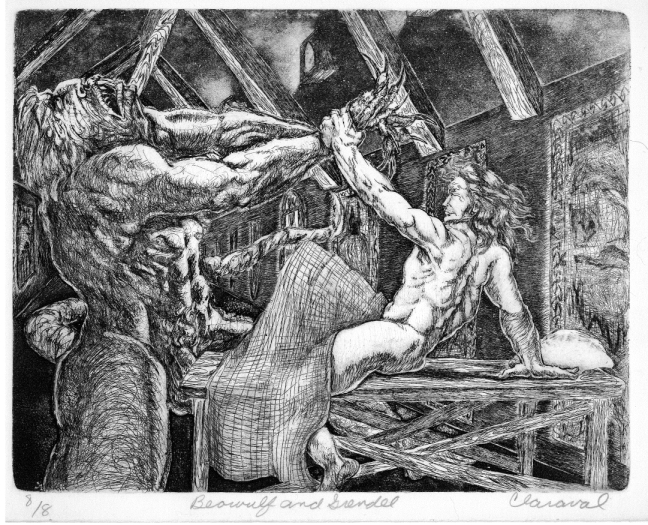
In society, we are told what we should value, and in this way, value is something taught rather than something that we formulate as individuals. This point is what Eagleton argues in “What is Literature?” Just because value is taught, however, does not mean that value should be taught. Instead, the value that a work of literature holds should be determined by the reader and hi/her individual values. In school, we are told which works of writing hold value and which do not. For example, students are taught that Beowulf holds literary value while The Hunger Games series does not. Both stories feature a dutiful and brave protagonist who fight to defeat the dangers and oppressors of their people and come away victorious and establish an identity apart from the doings of their parents and ancestors, yet one is considered a magnificent and lasting work of literature while the other is just a young adult series that holds little value except to entertain. Just because society states that two works of writing are different does not mean that they hold different values. Perhaps works like The Hunger Games deserve to be taught and valued just as much as Beowulf. In my opinion, personal value should trump ideology–we should not be forced to read what society says is valuable. Instead, I think it would be more beneficial to find value in all writing and learn from all works rather than just the ones that hold societal value. Value in writing should not be a formulated ideology, but rather something that every person finds on their own in every work.
Eagleton addresses the fact that literature is highly valued writing based on social ideologies rather than individual values..
In my opinion, value in writing is something that should be determined by every individual reader rather than society, as stated in Eagleton’s “What is Literature?” For example, one work of writing common in high school curriculum is Shakespeare’s Romeo and Juliet. This work is considered to be literature because social ideologies deem it to be valuable. As a student reading Romeo and Juliet, I had a hard time finding the value in the story until it was taught to me by my teachers. On the other hand, the novel I’ll Give You the Sun by Jandy Nelson clearly presents the themes of family value, self-development, and coping with trauma to the reader. Its ability to inspire emotion and educate simultaneously makes this work of writing more value to me personally than Romeo and Juliet. However, because of the fact that social ideologies tell us to value Romeo and Juliet over this novel, it will continue to hold its place as a work of literature, according to Eagleton. To some, a novel that teaches self development and coping with trauma is more valuable than a work that discusses love and tragic loss. Therefore, rather than value being assigned to a work based on social ideologies, individuals should be able to determine the value that a work of writing holds for them personally. In “What is Literature?” Terry Eagleton presents the idea that literature is highly valued writing as based upon social ideologies. I believe Eagleton’s statement is accurate, however, I don’t believe it is the way our writing value system ought to be. Personal values should trump social ideologies because different people find value in different things. By continuing to teach the literary canon, we reinforce the existing social ideologies.
Work Cited
Eagleton, Terry. Literary Theory: An Introduction. Minneapolis: The University of Minnesota, 1996. 1-14
